

F&M, a Lawrence Bank
Updated 10:44 AM CST, Wed February 18, 2026
Published Under: Tips
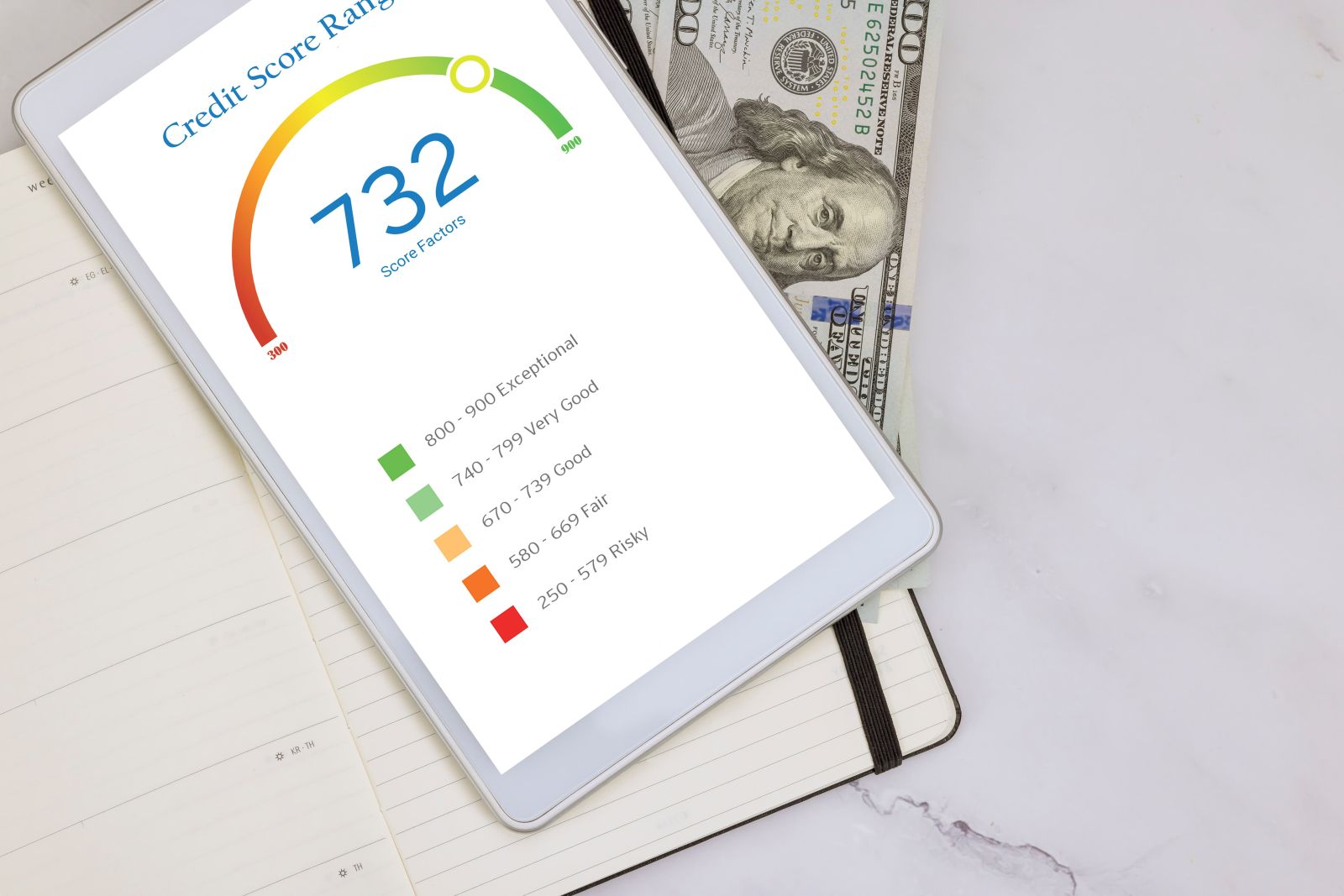
Your credit score isn’t just a number– it’s your ticket to better financial opportunities. From lower loan rates to premium credit cards, a strong score can open doors you may not have thought possible.
The best part? You don’t need to be a financial expert to uncover how to build credit with F&M, a Lawrence Bank.
With consistency and financial habits that point you in the right direction, you can boost your score and set yourself up for long-term success. F&M is here to help you every step of the way!
Understanding Credit Scores
A credit score is a three-digit number that tells lenders how likely you are to repay debt. Most banks and lenders use the FICO scoring model, which ranges from 300 to 850. The higher the number, the more creditworthy you appear.
Here’s a quick breakdown of score ranges:
- Excellent (781-850) - You’ll usually qualify for the best rates and loan terms.
- Good (661-780) - Solid standing with access to most loan and credit products.
- Fair (601-660) - May face higher rates and stricter approval conditions.
- Poor (600 and below) - Limited access to credit, often with very high interest.
Your score is based on five primary factors:
- Payment History (35%) - Making payments on time is the single most crucial piece.
- Amounts owed (30%) - Also called “credit utilization,” this looks at how much of your available credit you’re using.
- Length of credit history (15%) - Longer histories are better, as they show consistent management.
- Credit mix (10%) - Having both revolving credit (like credit cards) and installment loans (like auto loans) can help.
- New credit inquiries (10%) - Too many applications in a short time can signal risk.
Understanding where you stand in all five categories allows you to get a read on why your credit score is what it is and ways to earn credit points with your spending habits.
Why F&M Cares About Your Credit Score
Your credit score isn’t just a number– it directly impacts the banking options available to you. At F&M, we use credit scores to determine eligibility and pricing for products such as personal loans, mortgages, auto financing, and credit cards.
A strong credit profile often means:
- Lower interest rates on loans and credit cards.
- Higher credit limits and borrowing capacity.
- Access to premium banking services.
Because we’re a community bank with deep roots in Tennessee, we strive to help customers improve their credit standing so they can enjoy these benefits and achieve greater financial flexibility.
Wondering how to start credit card spending habits that actually improve your score? Keep reading.
Step-by-Step Guide: How to Improve Your Credit Score
Improving your credit score doesn’t happen overnight, but with patience and consistency, you can raise your score over time.
Here are practical steps to start today:
Monitor and Understand Your Score
Monitor and check your credit score at least once a year through free online tools or your banking app. Monitoring helps you track progress and catch errors that could be unfairly lowering your score.
Paying Your Bills On Time
Even one late payment can harm your score and stay on your record for up to seven years. Setting up automatic payments or calendar reminders ensures you never miss a due date.
Lower Your Credit Utilization
Aim to use less than 30% of your available credit. For example, if your credit card limit is $5,000, try to keep balances under $1,500. Paying down balances early or making multiple payments during the month can help.
Build Length and Diversity of Credit
Closing old accounts may shorten your average credit history, lowering your score or reducing the chance of an increase. Unless an account has high fees, keeping it open benefits your profile.
Avoid Opening Too Many Accounts New Accounts at Once
Opening multiple accounts or credit cards in a short time span may trigger a hard inquiry (when a lender checks your credit for a new account). Avoid applying for multiple loans or cards in a short span, as it can drop your score a few points. Understanding how to build credit often means using what you already have rather than opening new accounts to start fresh.
Handle Delinquencies with Care
If you have late payments or collections, contact creditors to negotiate payment or request a “goodwill” adjustment. Correcting or paying off old debt and consolidating new debt are great ways to earn credit points and upgrade your standing over time.
How Improved Credit Unlocks Better F&M Offers
When your credit improves, so do your financial opportunities. Here’s how F&M can help put your higher score to work:
- Credit Cards: Customers with strong scores may qualify for personal credit cards with lower rates and better rewards.
- Mortgages: A higher score can mean a lower monthly payment on a home, thanks to reduced rates.
- Personal and Auto Loans: Whether financing a vehicle or consolidating debt, strong credit translates to better terms.
- Home Equity Products: Higher credit scores may qualify you for flexible home equity loans or lines of credit.
- Savings and Investments: With less money spent on interest, you’ll have more to direct towards savings accounts, CDs, and investment opportunities.
Contact F&M Today to See What We Can Do for Your Credit Score
Your credit score is more than a financial statistic– it’s a key that unlocks a path to better opportunities. By paying bills on time, managing debt wisely, and building a long-term history of responsible borrowing, you can steadily raise your score.
Ready to take the next step? Contact F&M today and discover what a higher credit score can do for you.
Comments